
Discover 400+ bird species on Costa Rica's Osa Peninsula. Complete birdwatching guide with photography tips, seasonal timing, endemic species, and jungle accommodation.
Tucked away in Costa Rica's lush southwestern region near Corcovado National Park, the Osa Peninsula offers world-class birdwatching in Costa Rica with over 460 recorded species. If you're on a quest to immerse yourself in tropical nature, capture its beauty through your lens, or simply enjoy the diverse avian life, this Costa Rica birdwatching paradise should undoubtedly top your list.
The Golfo Dulce region combines pristine rainforest, coastal mangroves, and mountain habitats, creating one of the most biodiverse birdwatching destinations on the planet.
Osa Peninsula's tropical climate ensures that birdwatching opportunities abound year-round. However, there are two distinct seasons to keep in mind for optimal wildlife photography.
The wet season, or 'green season,' sees increased rainfall, lower tourist crowds, and a lush, vibrant landscape teeming with life. The birds will catch every glimpse of the sun to warm up and feed. The heavy tropical showers might offer a fresh, unconventional perspective for photographers. The typical rainforest mist in the mornings or right after the rains creates that mystical backdrop for a perfect shot.

This is prime time for wildlife photography in Costa Rica as the jungle comes alive with color and activity.
The dry season offers clearer skies and the opportunity to explore trails that may be impassable during the wetter months. The birds appear much more often as they are seeking a partner or starting to create a family. The mornings during the dry season are a symphony of cheerful birdsong.
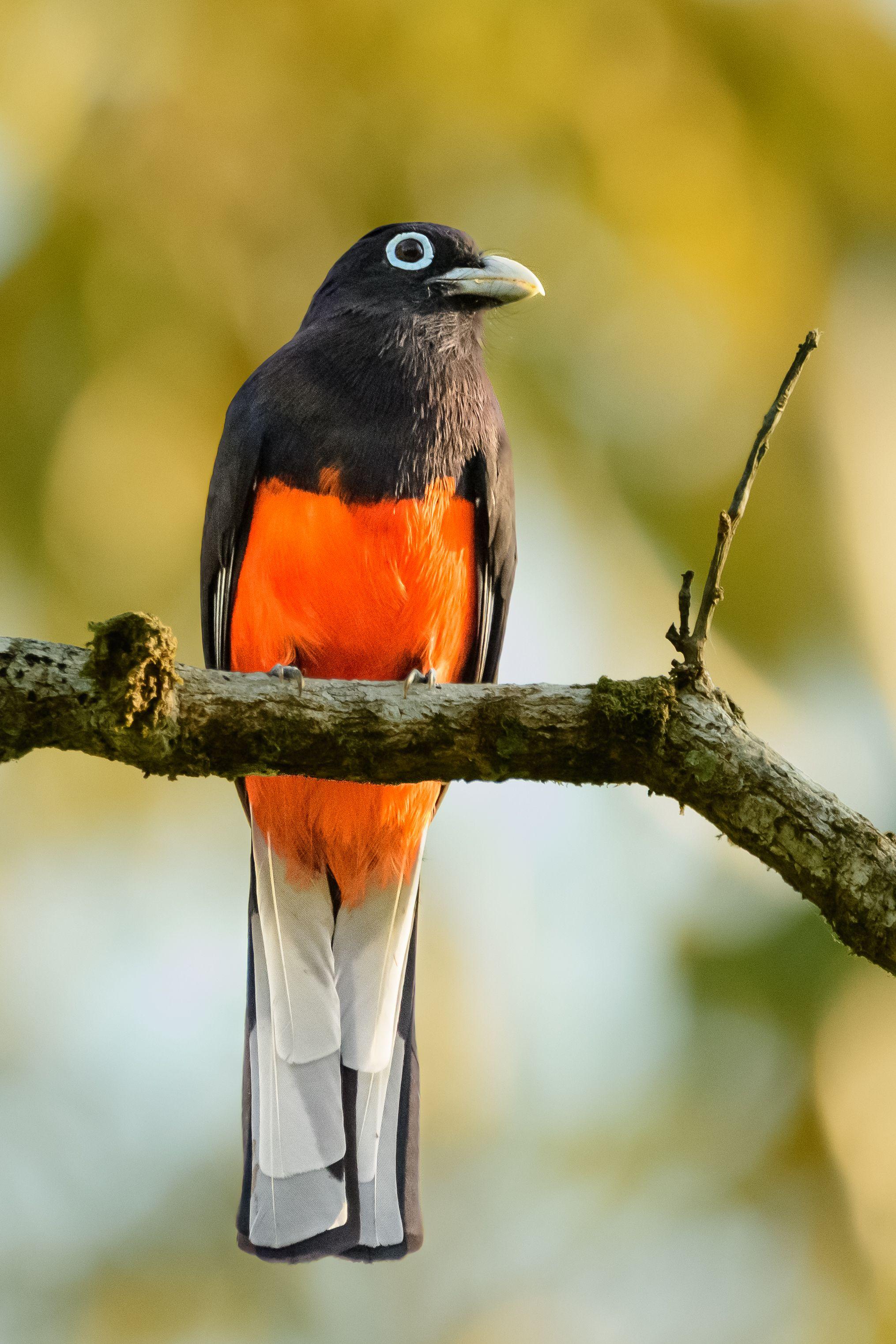
For serious bird photographers, this is the best time for birdwatching in Osa Peninsula: trails are accessible, lighting is predictable, and bird activity peaks during the breeding season.
The Osa Peninsula serves as a vital resting point for over 150 migratory bird species that journey between North and South America. According to eBird's Osa Peninsula hotspot data, this region ranks among the top birding destinations in Central America.
Among these migratory species are the brightly feathered, unmistakably sounding Summer Tanagers. Higher in the hills, there might be a chance (more mythical than guaranteed) to encounter the elusive Three-wattled Bellbird, normally found in chillier areas like Monteverde.
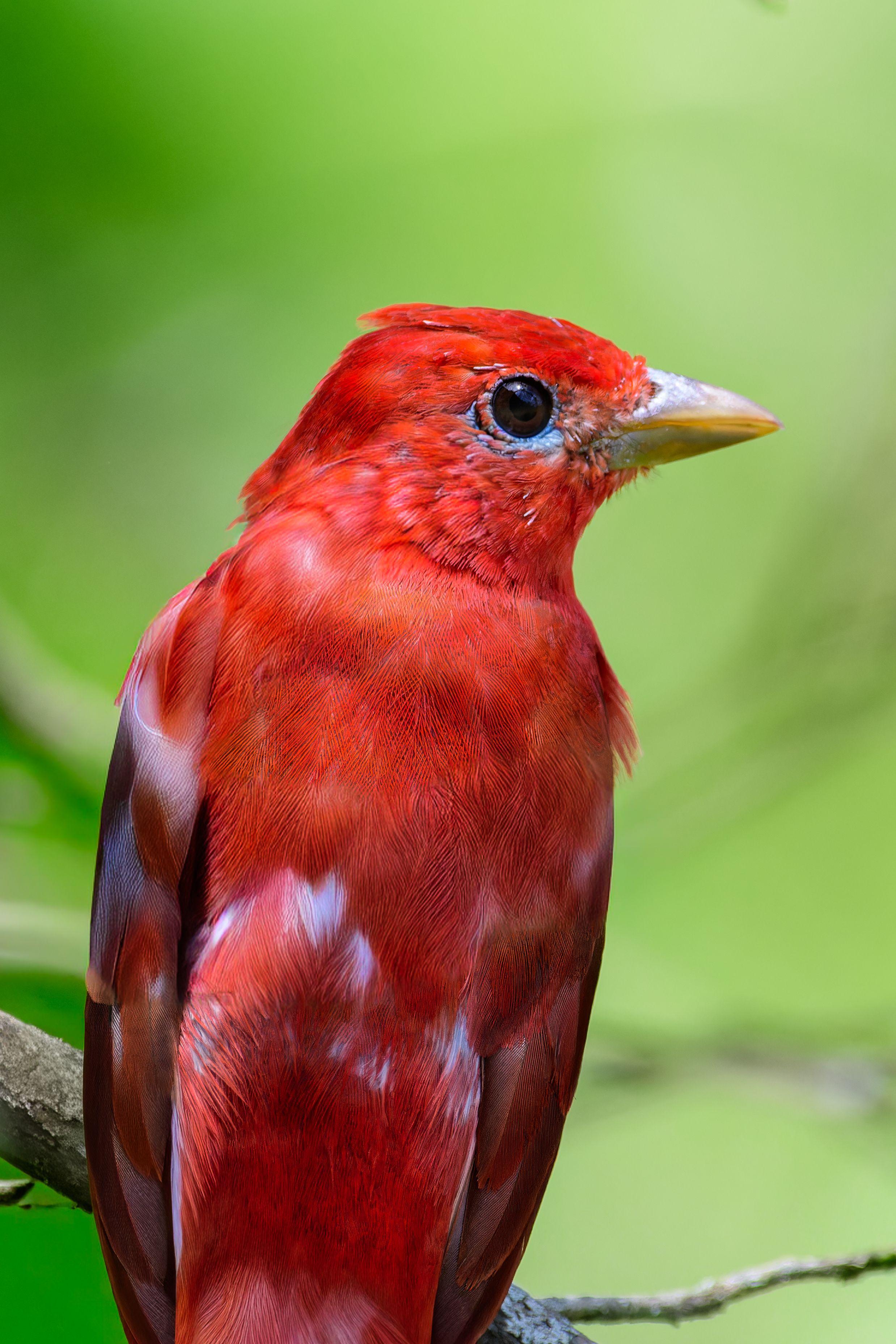
Red-eyed Vireo and Swainson's Thrush, along with species like the Golden-winged Warbler, Olive-sided Flycatcher, and Prothonotary Warbler, also use Osa Peninsula as a critical stopover. Several migratory hawks, including the Broad-winged Hawk and Swainson's Hawk, pass through the region during fall and spring migration.
This biodiverse region is home to several rare and spectacular bird species that make Costa Rica birding truly world-class. These are the species that bring photographers and birders from around the globe:
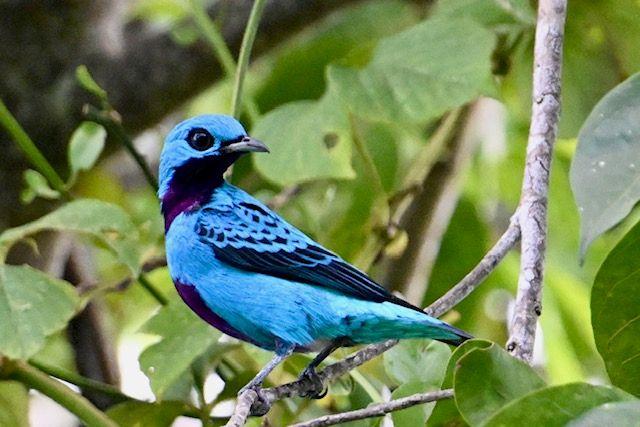
The Turquoise Cotinga is one of the most spectacular and range-restricted birds in Central America. Listed as Vulnerable by IUCN with only 1,250-2,820 mature individuals worldwide, this electric-blue cotinga is found nowhere else on Earth except Costa Rica's Pacific slope and western Panama.
The Osa Peninsula represents this species' primary stronghold, and sightings around lodges with fruiting trees are regular during the right season. Males are an almost iridescent turquoise-blue with purple patches: truly unforgettable when spotted against the green canopy.
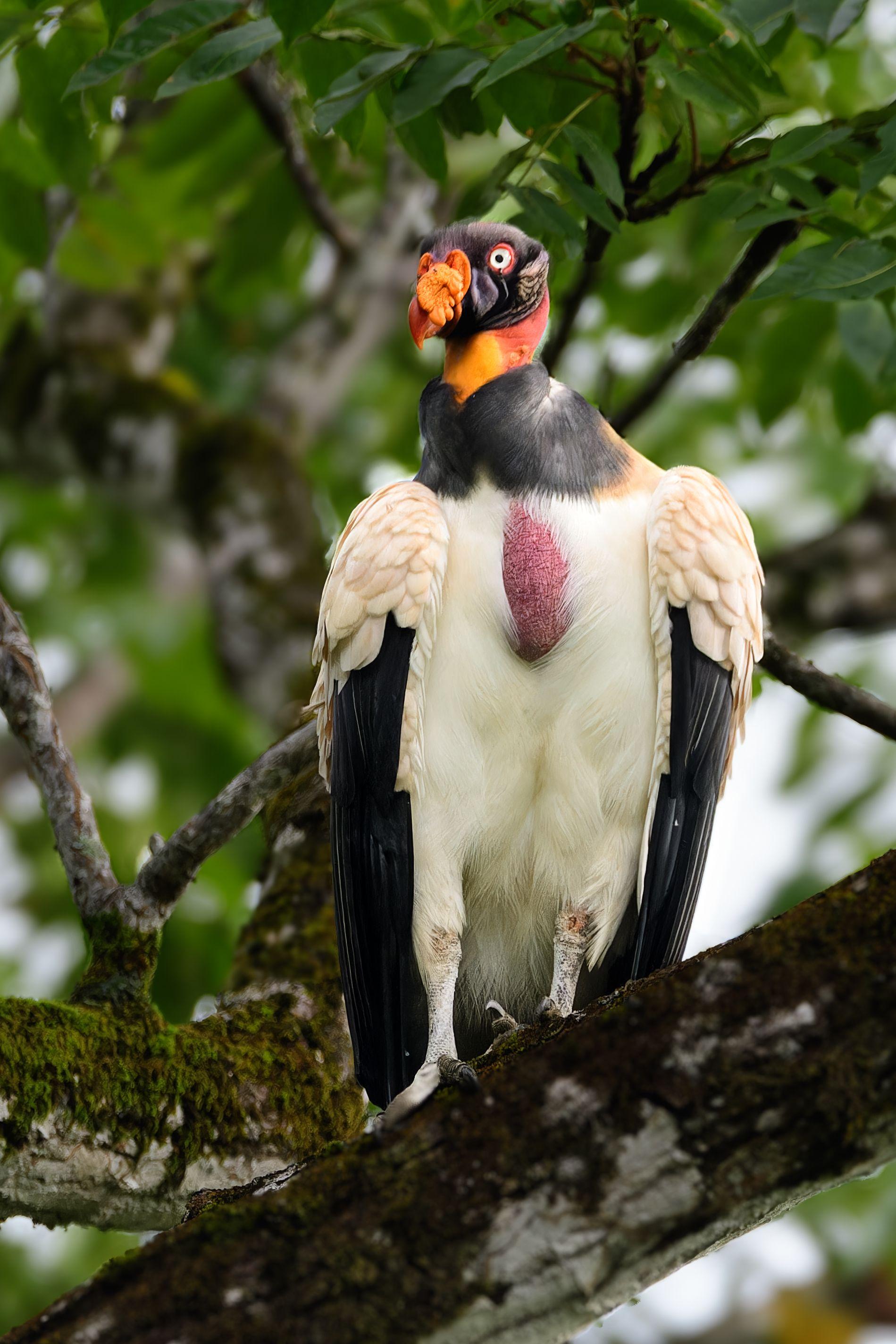
While other regions of Costa Rica have largely lost this spectacular species, the King Vulture remains reliably present on the Osa Peninsula. With its enormous wingspan (up to 2 meters), pristine white plumage, and psychedelic multi-colored head featuring orange, yellow, red, and purple, this is arguably the most beautiful vulture in the world. Often seen soaring high above the forest canopy or perched in emergent trees, spotting a King Vulture is a highlight of any Osa birding trip.
A stunning regional endemic found only on Costa Rica's southern Pacific slope and western Panama, Baird's Trogon is one of the top target species for birders visiting Osa. Males feature brilliant plumage with a distinctive blue eye ring and barred undertail pattern. Patient observers in foothill and mid-elevation forests are often rewarded with excellent views.
The Collared Forest-Falcon embodies the mystery of the rainforest. This large, powerful raptor with striking black and white barring and distinctive "collar" is heard far more often than seen. Its haunting, hollow "ow" call echoes through the jungle at dawn. When spotted, it reveals itself as a masterful ambush hunter, pursuing prey on foot through the understory with remarkable agility. Getting clear photographs of this cryptic species is considered a major achievement.
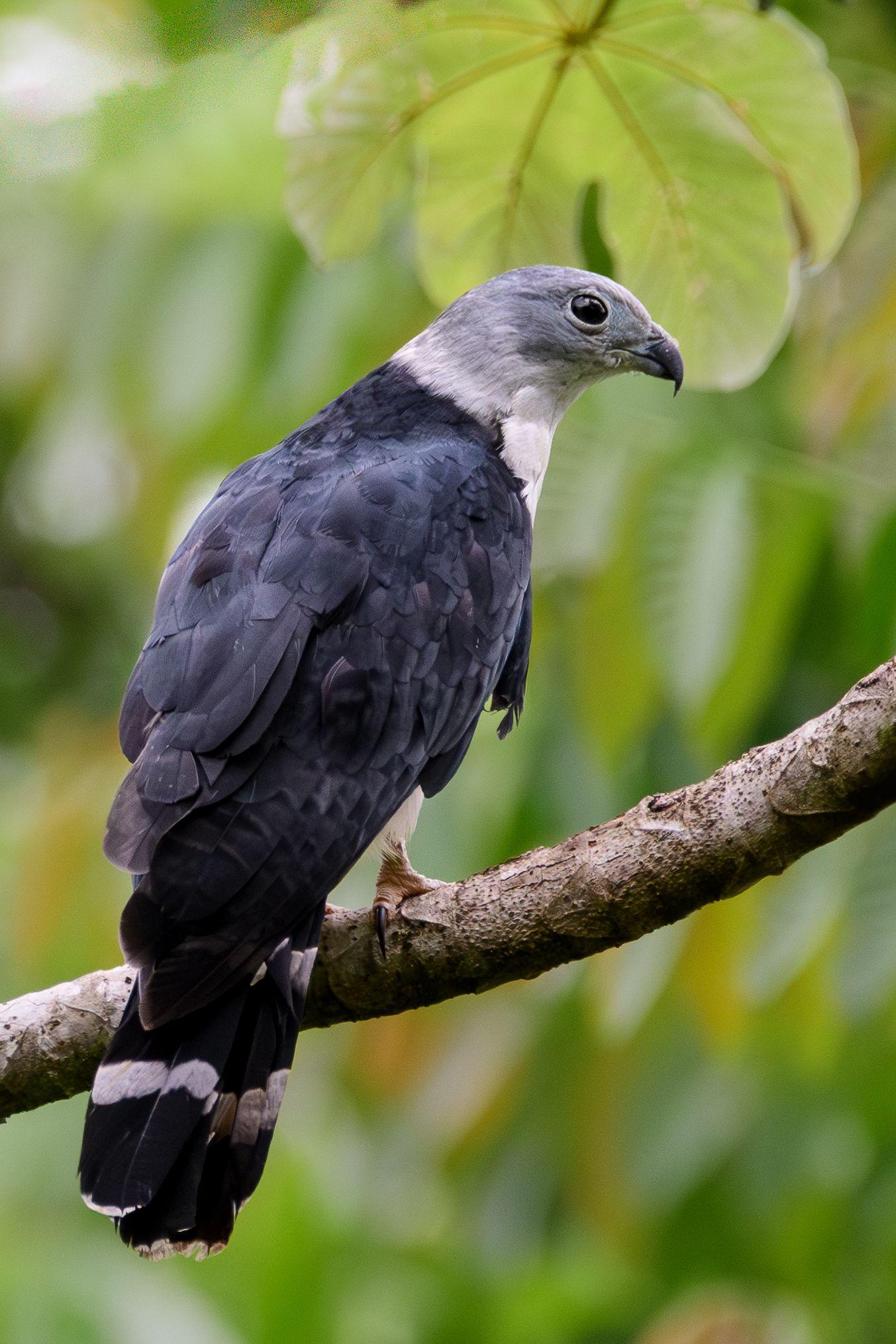
The Black-cheeked Ant-Tanager is a very rare bird endemic exclusively to the Osa Peninsula and Golfo Dulce region. Found nowhere else on Earth, this species is on every serious birder's target list when visiting southern Costa Rica.

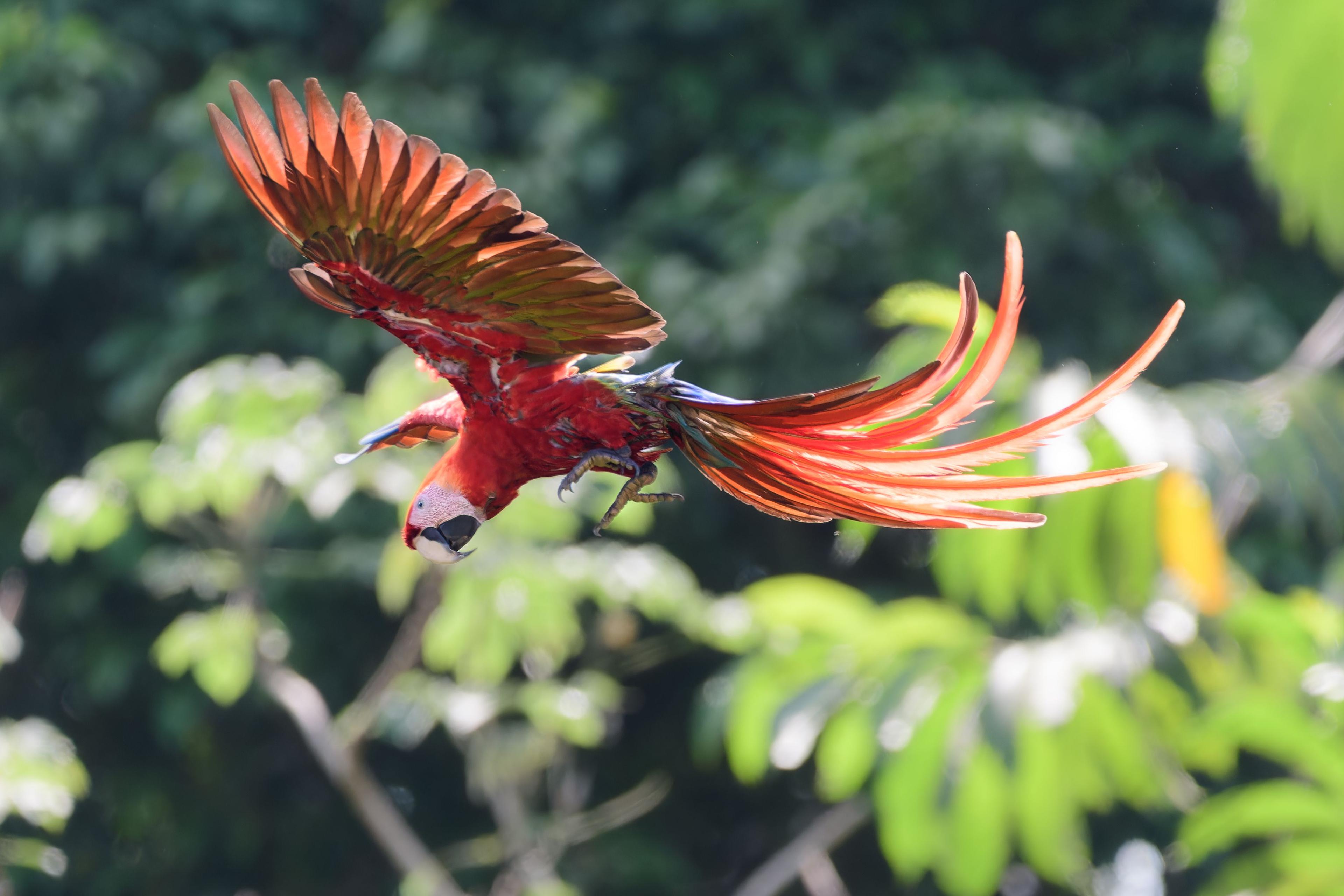
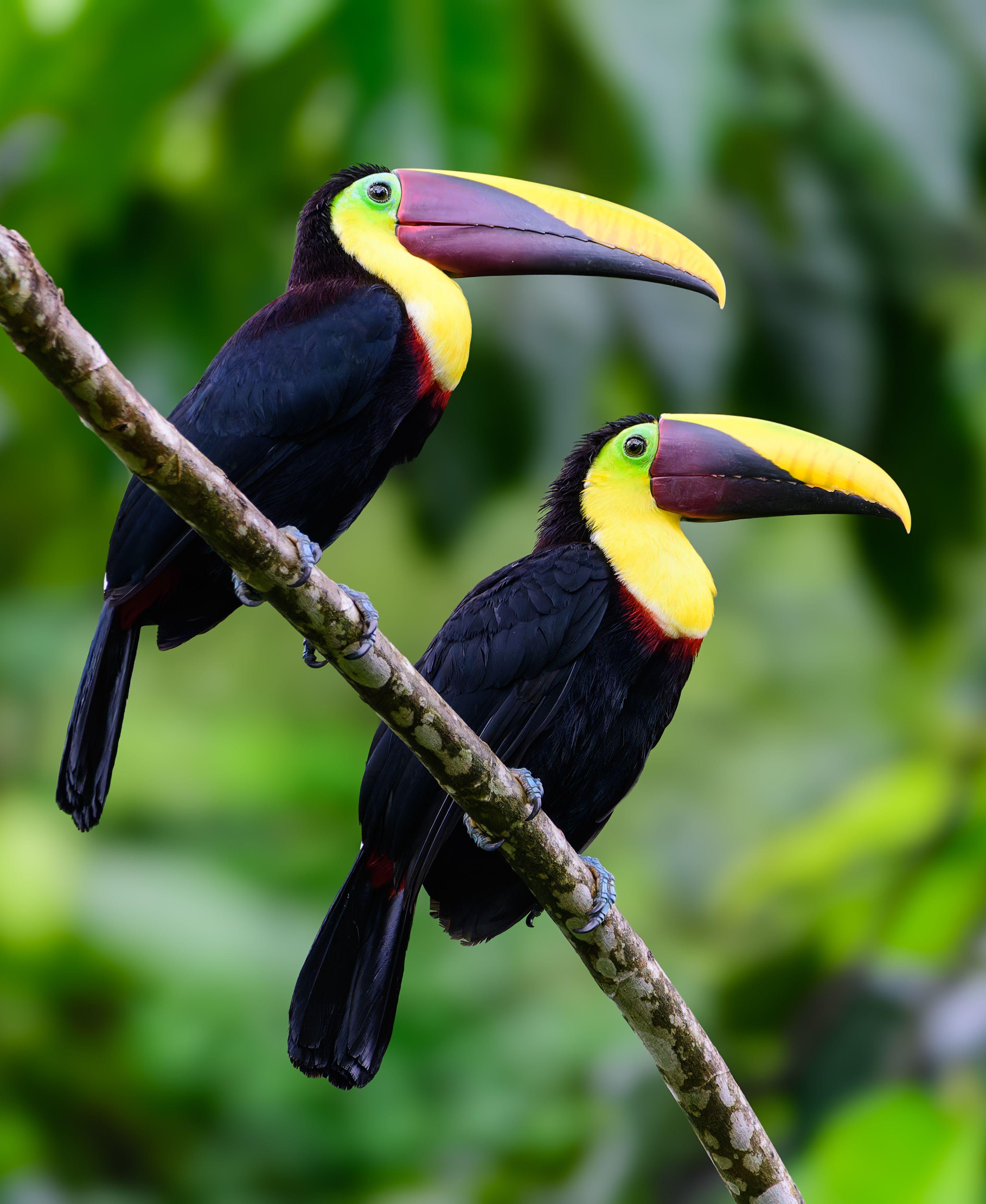
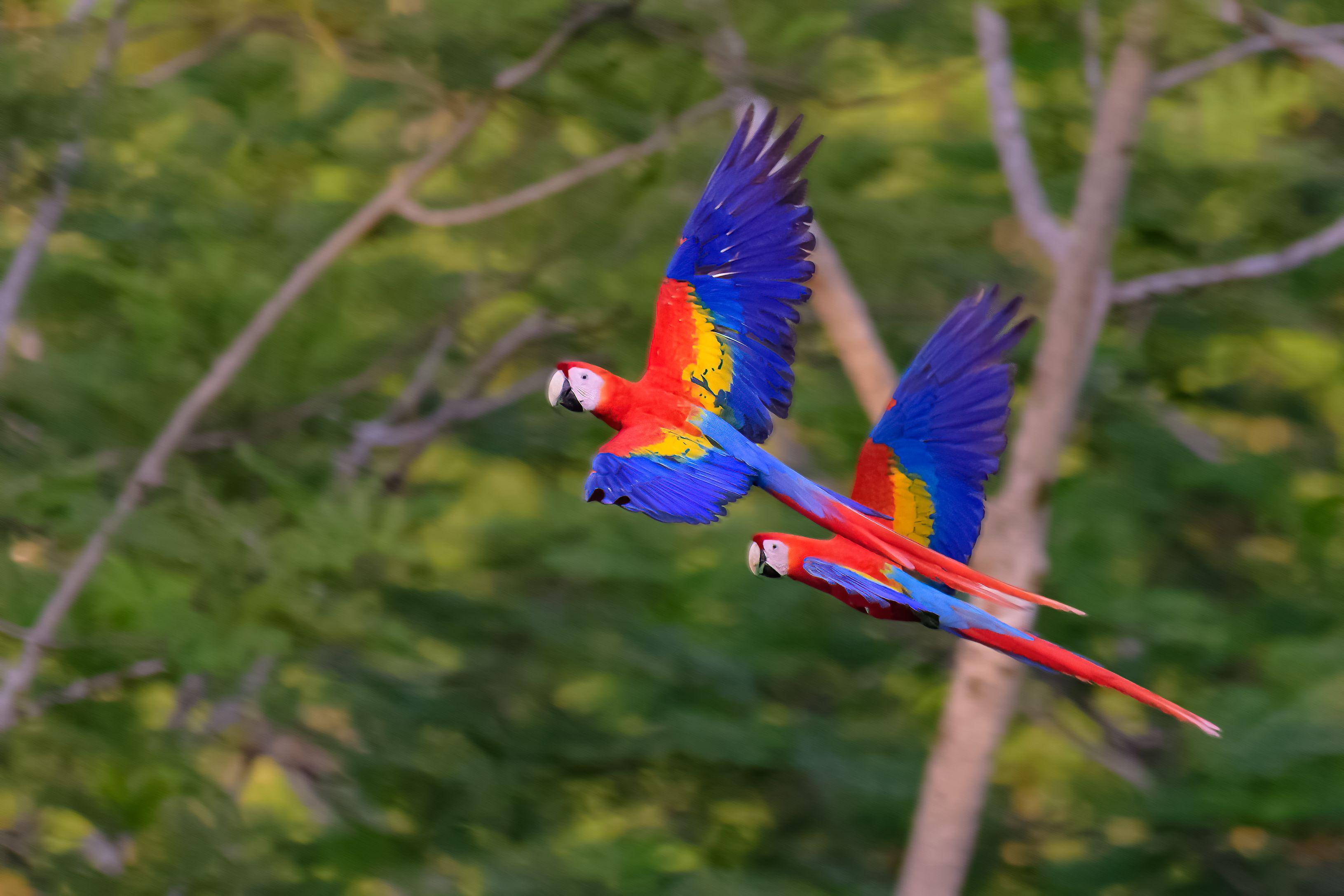
And of course, not to miss the loud, spectacular Scarlet Macaws flying above the canopy in pairs, one of the most sought-after subjects for wildlife photography. The large and vocal Chestnut-mandibled Toucan (also called Yellow-throated Toucan) perched on nearby branches provides equally impressive photo opportunities. These charismatic species are seen daily around most Osa lodges.
For species identification and reporting your sightings, the Cornell Lab of Ornithology's Merlin Bird ID app is invaluable for Costa Rica birding.
After a day spent capturing the avian wonders of Osa Peninsula on sensor, retreat to Villa Bruno at Finca Guarumo. This idyllic jungle house offers an off-grid living experience that allows you to immerse yourself in nature fully.
Combining birdwatching adventures with relaxation surrounded by the wild, it promises a magical time that will resonate long after your journey ends.
Sitting on the large terrace facing the Golfo Dulce, you will have to keep your eyes and ears open. Around the terrace is a vast and pristine jungle where the birds, monkeys, and other animals roam free. Many guests report photographing toucans, tanagers, and hummingbirds without ever leaving the property.
Villa Bruno provides the perfect accommodation for bird photographers seeking an authentic jungle experience: no crowds, no tour groups, just you and the rainforest.
Over 400 bird species have been recorded in the Osa Peninsula region, including resident species, migrants, and rare endemics. Serious birders can expect to see 100-150 species during a week-long visit.
Scarlet Macaws, Chestnut-mandibled Toucans, and the endemic Mangrove Hummingbird top most photographers' lists. The rare Black-cheeked Ant-Tanager and Turquoise Cotinga are also highly sought-after.
Absolutely! Large, colorful species like Scarlet Macaws, toucans, and tanagers are easy to spot and identify, making it perfect for beginners while still offering challenges for experts.
The dry season (December-April) offers the best lighting conditions and trail access, though the wet season (May-November) provides dramatic skies and fewer tourists.
So, prepare your cameras and pack your binoculars: Osa Peninsula, Costa Rica awaits!
Join us at Villa Bruno at Finca Guarumo for an unforgettable adventure into the heart of one of the world's most diverse natural habitats. Here, you'll find not just a vacation home, but a complete immersive experience that invites you to open to wonder.
Check availability and book your birdwatching retreat →
Happy birdwatching!
This guide was written, and the photos were taken by Katja Hollaar, a wildlife photographer and owner of Finca Guarumo, based in the jungles of Osa Peninsula since relocating from the Netherlands. With years of experience photographing Costa Rica's incredible biodiversity, including thousands of hours observing bird behavior around Golfo Dulce, this perspective comes from someone who wakes up to Scarlet Macaws and falls asleep to the chorus of the rainforest. When not hosting nature enthusiasts at Villa Bruno, you'll find her deep in the jungle with a camera, documenting the region's spectacular avian diversity.
