
Three years ago, we moved to Costa Rica and started turning 8 hectares of raw jungle land into an off-grid home, vacation rental, and small eco project. This is what we’ve actually built, learned, and survived so far.
Three years. That's how long we've been living in Costa Rica, turning 8 hectares of raw land into something that's finally starting to feel like home.
When I say "raw," I mean it. Our property stretches from 89 meters elevation, where a spring bubbles up the water we drink, all the way up to 174 meters elevation, where our future house will stand. The Golfo Dulce sparkles 4.5 kilometers away as the crow flies (though it's a winding 15km drive), and Puerto Jiménez sits 6 kilometers from our gate.
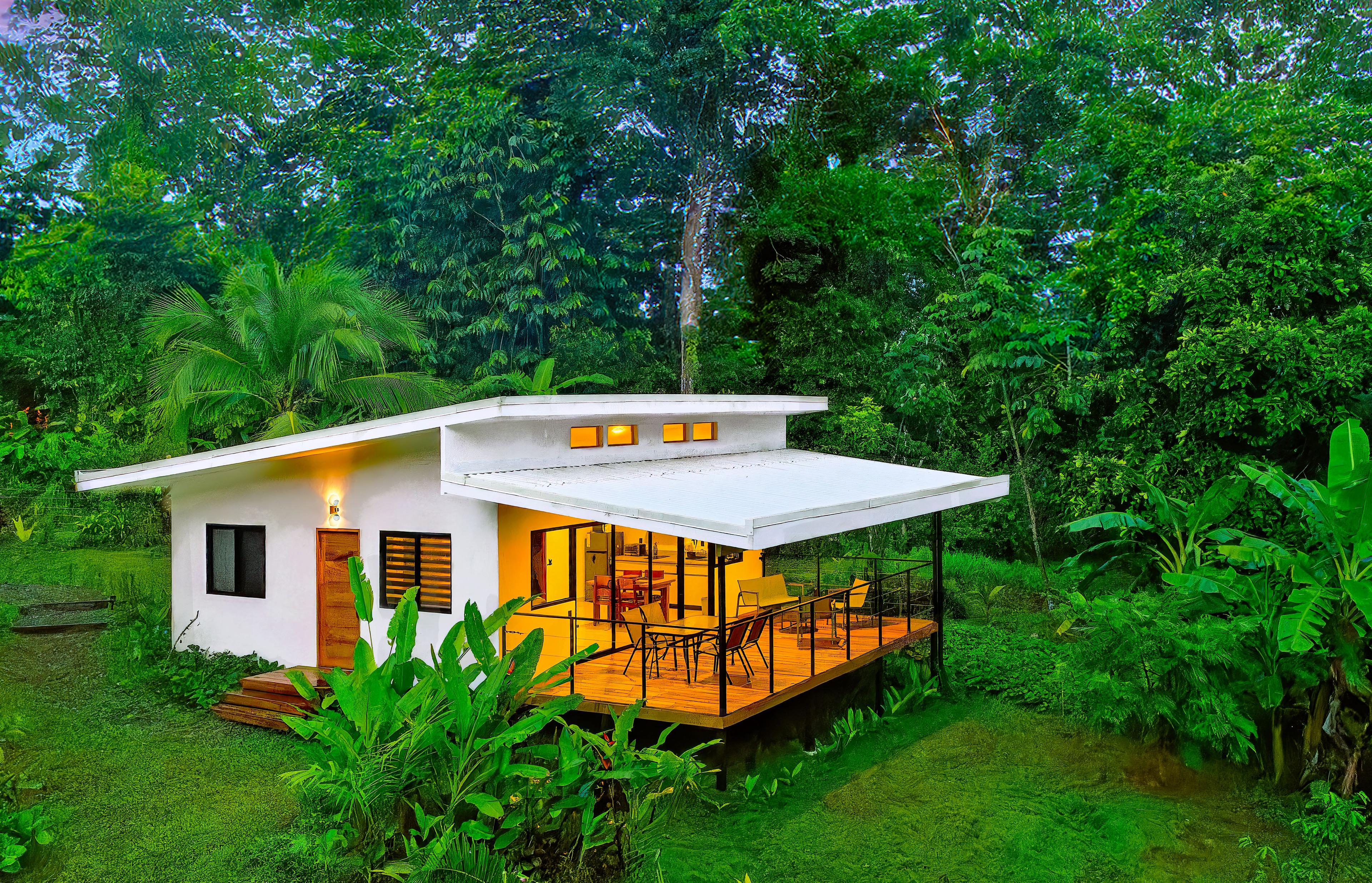
In three years, we've constructed:
In its first year of operation, the villa received around 20 bookings, accounting to over 50 guests. Each booking feels like a small victory: proof that this crazy dream might actually work.
While we’ve been lifting bricks, metal, concrete, and stone, I’ve also been building online. I've worked on 5 major projects:
The mix of remote work, web development, and AI projects is what allows us to invest in solar, water infrastructure, and gradual upgrades to the property.
We planted with optimism:
Some are thriving now, reaching toward the sky. Others fell victim to the millions of leaf-cutter ants, those tiny engineers who can strip a 5 meter tall tree bare overnight. We are learning to accept losses here.
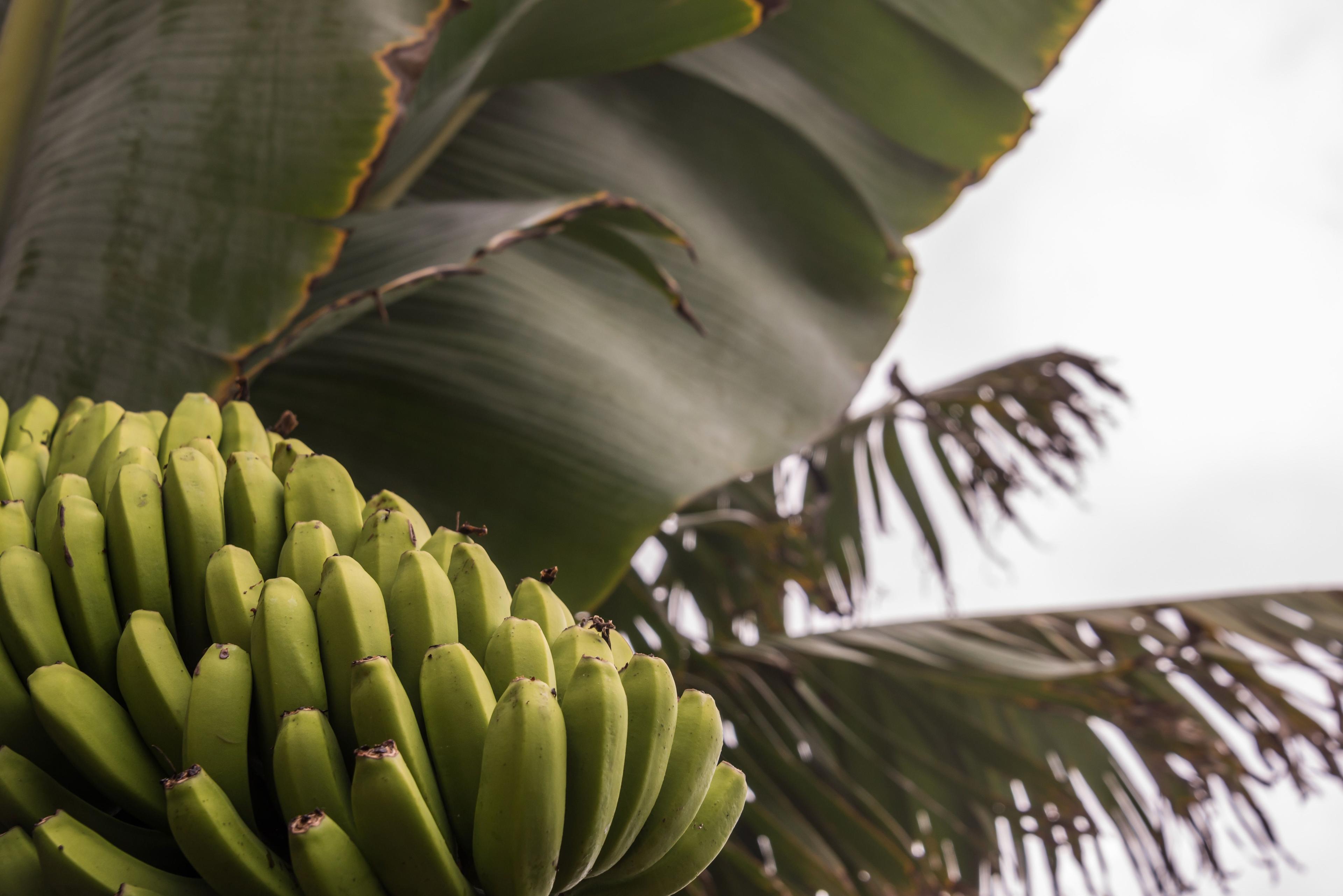
We inherited a large banana plantation when we bought the land. Not the commercial Cavenidish, but plantains, cuadrados, filipitas, lady fingers, and the local variety with the proud name “patriotas”. How large is our banana plantation? I suspect around 1.5-2 hectares. How many bananas have we harvested? Impossible to count. How many banana breads have I baked? Enough to perfect the recipe.
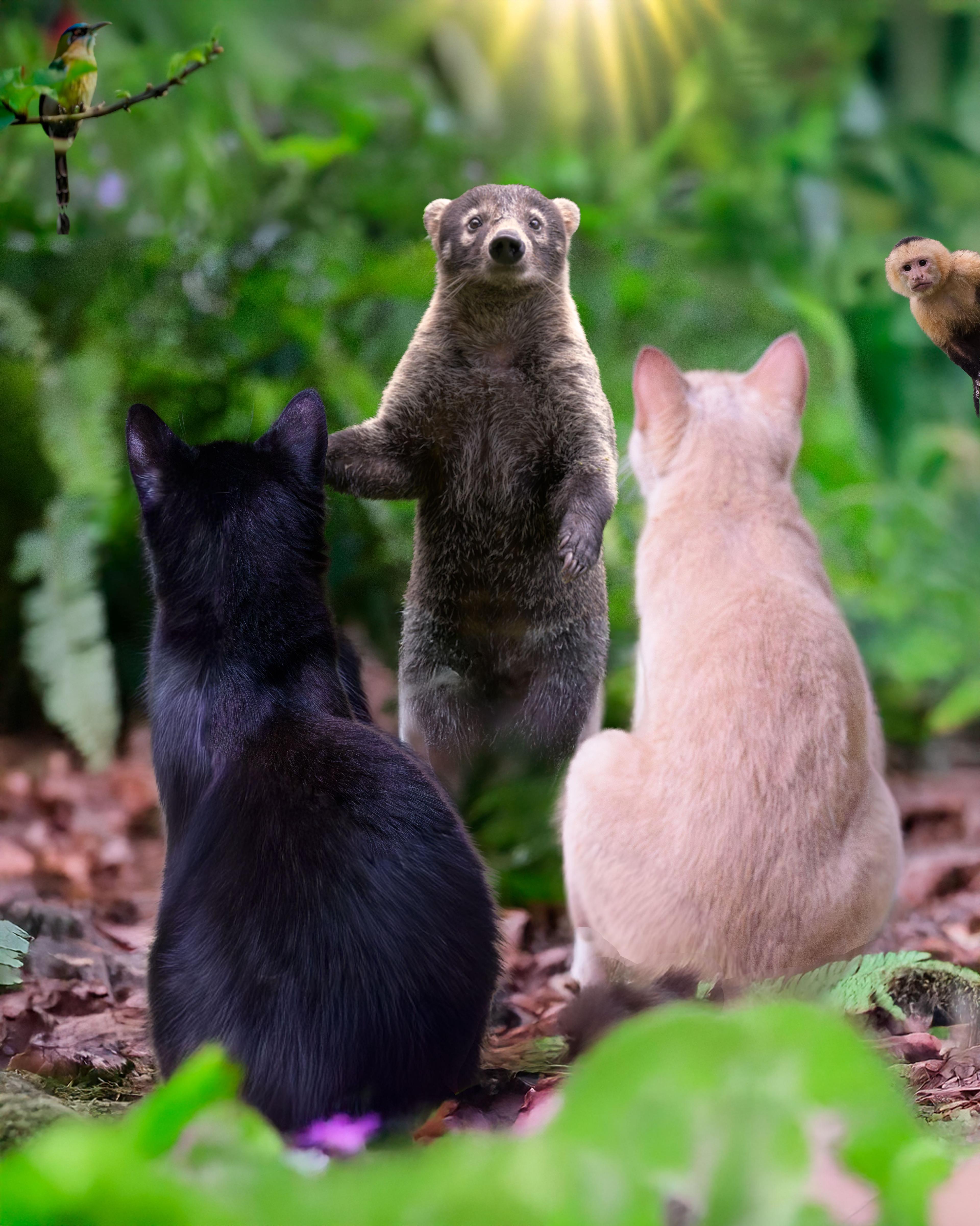
We also have a small pineapple garden, big enough to have grown 18 pineapples last year. We managed to eat 3 of them. Bruno the coati ate the rest.
Our garage is an open, very functional structure that doesn’t exactly blend into the jungle, so we planted vetiver grass on the east and west sides for erosion control and passion fruit on the villa-facing side. The vines now cover the metal, provide shade, hide the cars from view, and reward us with fruit: a small, satisfying win.
Getting water from that spring at 89 m up to our buildings at 124 m was a saga that nearly broke us. That means a 35 m climb over a 250 m distance, with several steep climbs and drops, increasing the distance even further.
Attempt 1: Built a ram pump ourselves. Failed.
Attempt 2: Built another, bigger ram pump. Failed again.
Attempt 3: Tried a peripheral pump powered by a solar system we specifically installed in the jungle. The jungle defeated us. The batteries didn’t survive the humidity and the heat. Also, the pump simply wasn’t up to the job. It couldn’t keep a steady flow of cool spring water, which meant hoses burst, PVC pipes swelled up like balloons, and every few weeks some weak point would fail, the lines would empty, and the pump would run dry.
There’s an extra twist to this chapter. At around 145 meters elevation, at the bottom of a steep hill, we had poured a 1.6 by 1.6 meter concrete platform and placed a 2,500-liter tank on top. The idea was simple: fill this tank from the spring and let gravity take the water down to the house. In practice, it wasn’t simple at all.
The ½-inch tubing we’d started with created far too much resistance over the distance and elevation we were trying to cover, so the pump was working against both gravity and friction. Even though its specs promised a 60-meter pumping height, our real-world setup proved it wrong. Eventually, we upgraded to 1-inch hoses that run around 180 meters from the pump up to the big tank, and another 270 meters down the hill, following the ups and downs of the terrain, to the old house. Suddenly, the system felt less like a bad idea and more like a rough draft of something that might actually work.
Final solution: A submersible pump, powered by 240 volts via 8awg cables running over 250 meters, all the way down from the old house to the pump in the basin of the spring. It pumps the water 180 meters up to the tank with a flow of some 18 liters per minute. Without overheating the pump or cooking the water in the process. It finally works!
Over these years, we've installed 3 complete solar systems. One of them, the old, second-hand system we bought specifically for the pump, we probably installed 5 times, troubleshooting, repositioning, trying to make it work. The 8 solar panels have been sold, and the 3 batteries have been disassembled after they failed to work. The inverter is still good to go and for sale. The price is $750 if you are interested.
Today, solar energy powers both our old house and the villa, 100%. Hot water also comes from the sun. In total, we’ve produced almost 8 megawatts of energy, and that’s only counting our main system. For a small property, that’s a lot of sunshine turned into daily life.

We are now expanding our system with a new setup we imported directly from China. Extra and more powerful panels, more batteries with higher capacity, and an inverter with more power. This will guarantee we don’t run out of energy, even during the rainy season.
How many hectares of weeds have we chopped? How many new skills have we acquired? How many machines have we learned to operate?
Peter can now operate an excavator. Let that sink in. Three years ago, we'd never probably even seen one in real life. Now he can move earth, dig trenches, reshape land.
Over time, we’ve accidentally collected job titles:
Much of this we learned from scratch, through YouTube tutorials, advice from neighbors, and a healthy amount of trial and error.

We share the property with more than just plants and projects.
Living here means learning to coexist with wildlife: sharing fruit with coatis, watching leaf-cutter ants demolish our favorite saplings, and still feeling grateful that we get to witness all of it up close.
Three years sounds both long and short. Long enough to build multiple buildings, dig countless holes and trenches, plant hundreds of trees, and rewire our entire understanding of what we're capable of. Short enough that we're still figuring it out, still making mistakes, still learning which plants the ants will destroy and which pumps will actually push water uphill.
If you reduce it to numbers, our life looks like this:
But the numbers don't capture:
3 years down. A lifetime to go.

If you’re curious about off-grid living, eco-tourism, or planning a trip to Southern Costa Rica, you can follow our journey (and stay here) at fincaguarumo.com. We’re still learning how to coexist with leaf-cutter ants, gravity, and everything else this hillside throws at us.
